The Significance of Family in China

Many challenges await the Western businessperson in China, but one factor that may escape immediate notice is the significance of the Chinese family.

While family in China is primarily a social issue, its centrality within Chinese everyday life, as well as the changes and pressures forced upon it by the rapid rise of the Chinese economy, often creates an inescapable impact on businesses in China.

Why are Chinese employees more likely to resign after the New Year holiday than at other times of the year? Why are Chinese employees passive and not prone to taking the initiative? Why do Chinese employees seem to feel an inordinate amount of pressure?

Understanding these issues and the role of the family in China can help Western businesses to better manage their operations in China as well as maintain better relationships with their employees.

The History of Family in China

The family has long been a key component within Chinese society, and many aspects of Chinese life can be tied to honoring one’s parents or ancestors.

In fact, the majority of the “five relationships” espoused by Confucius were directly centered on the family. Due to this focus on the family, it was common for the Chinese, even when fully grown with children of their own, to not only remain in or close to their hometown, but also have many, if not all, living generations of a family living under the same roof (sì shì tóng táng; 四世同堂).

Chinese who may have done business far from home, or may have been appointed to government posts far away, would normally have found time to return home regularly, giving rise to the popular Chinese saying: “falling leaves returning to the root of the tree that sired them.” 

The concept of family in China was so important that it was one of the few moral and ideological concepts to survive the decade-long turmoil and chaos of the Cultural Revolution relatively unscathed. While many Chinese elders lament the fact that young adults born in the 1980’s or later possess no clear moral compass or strong standards of behavior, no one in China has forgotten the importance of family.

The Chinese Family Structure

The Chinese family structure has traditionally been rigid and hierarchical, with elders still receiving the largest degree of reverence, respect, and obedience, a practice that has continued into the modern age.

And while Confucius may have preached that showing respect and filial piety to one’s elders did in no way require blind obedience, in actual practice throughout Chinese history and today, many parents and grandparents expect their children/grandchildren to do as they are told.

Within the traditional Chinese family structure, each family member has a specific form of address in Chinese, with different forms of address for an older and younger brother, sisters, aunts, uncles, grandfathers, and grandmothers, on both the maternal and paternal sides of a family.

And while this naturally can appear complicated to the uninitiated Westerner, in fact, it was and is incredibly important to the Chinese family structure.

A significant aspect of life in the Chinese family is showing the proper amount of respect to the appropriate members of the family. For example, a father’s elder brother will accordingly rank higher than his younger brother, and there exist separate terms to differentiate the two, to both members of the family as well as to outsiders.

And these terms also offer insight into the position of a girl within the traditional Chinese family unit. Many of the terms for family members on the maternal side of the family begin with the character “Wài (外),” literally meaning “outside, ” indicative of the fact that Chinese women, even after marrying into a new home, were still considered to be outsiders.

China’s Rapid Economic Growth and Working Away from Home

In the new China, the Chinese family faces many challenges and contradictions to the old way of life that threaten its traditional stability.

As China’s economy continues to grow and expand, many young and seasonal workers have been drawn to the bigger cities in the more prosperous regions of China. They come to find better jobs and more money, in many cases sending much of what they earn to their families, who may reside in small towns where income is very low.

But as Chinese young adults enter their late twenties, they come under increasing pressure from family to marry, have children, and settle down, which, much of the time, requires moving back home.

Also, unlike Westerners, many young Chinese have a hard time away from home and do not do well alone and on their own. Every year as the Spring Festival rolls around, almost all Chinese living away from home begin the long and sometimes arduous journey back to their hometowns.

Free from the stress, loneliness, and toil of the big cities, it is not uncommon for young workers to decide abruptly to “take a break,” quickly giving notice (if at all) to their current employers, and it is common for workers to take off weeks or months at a time.

And while some Western employers may be prone to assume that their young employees lack loyalty, morals or good character, it is important to remember that family is the highest priority in China and trumps loyalty to all else.

The One-Child Policy

The situation with family in China is in some ways made worse by the Chinese One Child Policy, which was first implemented in the late 1970‘s.

The policy had previously allowed parents only one offspring, leading to an upset in the traditional structure of the family. Instead of the usual bottom-heavy structure, one child is now supported and brought up by two parents and four grandparents, resulting in an inordinate amount of attention and pressure placed upon the child.

With regards to the workplace, this can potentially have two negative side effects. First, with only one child available to succeed and support them in their old age (expected by parents in China), parents and grandparents will aim to be even more in control of their child.

In modern China, every aspect of a child’s life, including courses of study, careers, friends, and free time, is decided and managed by the parents and other relatives. When those children later enter the workplace, they generally not only have little to no experience thinking and making decisions on their own, but also as a result of a school system focused on memorization and diminished free-thinking, they have been specifically taught to avoid such things.

Second, under the sole focus and care of so many family members, Chinese children of the post-1980’s generation have acquired a reputation for being spoiled and self-centered, also known as the “Little Emperor Syndrome.”

One result is that young talent in China is more likely to become dissatisfied with their current employment. They are much more likely than their Western counterparts to switch jobs after short periods, chasing happiness or a larger paycheck.

What to Be Aware of as a Westerner

Westerners in China, unfamiliar with the Chinese family and the local talent market, can find themselves with workers that they don’t understand, an unproductive office staff, high turnover rates, and endless headaches.

However, with patience, the right mindset, and proper planning, the impact of these issues can be reduced. First of all, many young Chinese (and older ones as well) can indeed adapt to a “Western working model,” but it is unfair to immediately expect them to change their ways.

Remember that in a local Chinese company (or even among their own families), showing initiative, displaying individuality, or offering suggestions to managers will not only likely be ignored, but can also lead to workers being criticized or ostracized by their colleagues and managers.

It is important to be patient while these workers learn, and show that you are willing to listen to them on a consistent basis, and not just when it’s convenient.

Also, be ready for the likely event that not all workers will want to be managed in a Western manner. In this case, it’s important to acquaint oneself with the basic concepts of Chinese culture, and be sure to give them the proper amount of face and respect for a job well done, and not to take it away in front of others.

Concerning the high turnover rates you might experience around the time of the Chinese New Year, make sure to plan ahead and have potential candidates identified by HR early, before it’s too late.

And remember that a Chinese worker’s loyalty is to their family first; it’s not that they have no loyalty or have shoddy principles, that’s just the way the culture is. For a Western business or businessperson in China, in order to succeed, it’s important to learn and adapt.


If you’re interested in thoughtful perspectives on China, cross-border work, and how culture, incentives, and organizations shape real outcomes, you’re welcome to subscribe to China Culture Corner and receive future posts by email.

I also share related ideas and longer-form video commentary on LinkedIn and YouTube, and post updates across the channels linked above.

If you or your organization is navigating China execution or cross-border alignment challenges, I work with teams on an embedded and remote basis. Reach out directly: Sean@SageSightConsulting.com

 

Proper Character and Behavior in China

One of the first things a Western businessperson may notice when they arrive in China is how different Chinese people act, talk, and behave when compared to the Western social and business environment.

These differences can not only cause confusion and delays but, in some cases, can destroy relationships and torpedo potential business deals. So what exactly are proper attitudes and behavior from a Chinese point of view? And why do the Chinese “refuse to change” to be more in line with what Westerners consider to be international standards of behavior?

Unlike Western culture, which has been actively evolving and changing for hundreds of years, Chinese culture has traditionally been much more static, inward-facing, and rooted in the past.

Traditional Chinese beliefs have also emphasized a person’s character, or Sù zhì (素质), which boils down to proper etiquette and the accepted way of behaving both in social and business situations.

In addition, Chinese people take great pride in their country and culture, and one reason that many Chinese may find it hard to adapt to the “Western way” of doing things is that many of the Chinese model forms of behavior are stark opposites of the social and behavioral standards held in the West. Some of the more common elements that make up the concept of Sùzhì include the following.

Moodesty and a Low Profile

Chinese people prefer modesty and keeping a low profile both regarding their own achievements and status as well as their interactions with others. Traditionally, in the course of polite conversation, Chinese people will downplay their own positions and achievements while emphasizing those of others.

Additionally, within society, family, work, and their own social circles, the average Chinese person will generally not attempt to make waves or to make themselves stand out overtly when compared to others. In practice, if a work-related project is successful, an employee will often not attempt to claim all the credit, instead deferring to the support given by the company and colleagues.

When praised by strangers or friends, an individual will often downplay an accomplishment or character trait. Those who are not as modest or prefer to claim their own accomplishments can be viewed as rude, proud, or braggarts.

Tact and Respect

Chinese people also place a strong emphasis on respecting the feelings of their friends, family, and colleagues, often by not directly refusing a request. Aside from respecting the feelings of whoever is being spoken to, speaking in a less direct, roundabout manner is also viewed as a proper way to comport oneself, and by talking in this manner one upholds the socially acceptable idea of how to behave as a cultured individual.

In practice, Chinese people will use a number of “filler-answers” to either buy time or to put off saying no directly, such as “perhaps,” “maybe,”’ “possibly,” and “I understand.” In many cases the word “no” may never actually be spoken by the first party, and it is left up to the second party to figure it out over the course of repeated maybes or unanswered correspondences.

Education and Knowledge

Level of education and related certifications have historically played an important role in defining China’s literary and leadership elite. In ancient China, passing the Imperial examinations not only allowed an individual to attain a high level of prestige in his hometown or city, but it also served as the main avenue for advancement in the Chinese bureaucracy.

In modern times, high-level educational degrees such as master’s degrees and Ph. D.s are highly valued in China, especially those from prestigious institutions. Job seekers feel the need to make themselves stand out by obtaining additional certifications. These highly educated individuals are, to a certain degre,e considered to be more knowledgeable and also afforded more respect.

Proper Etiquette

China (and Asia in general) has always possessed complex hierarchical societies, with many rules and customs aimed at demonstrating politeness and respect to superiors and elders. Forms of address, who one can talk to, where one must sit, and how one talks to others are all a part of proper social and workplace etiquette in China.

And despite the many different ideas and cultures that influence China’s youth and young white-collar workers in the modern era, decisions, by and large, are still made by the old guard, those who grew up either during the Cultural Revolution or during the rise of Communist China.

Chinese who either through ignorance or intent do not observe the proper etiquette and protocols will quickly find themselves viewed as difficult, uncultured, or annoyin,g and will find it hard to develop lasting relationships or gain advancement and recognition in their line of work.

Filial Piety

Another form of etiquette that takes a high level of prominence in Chinese society is filial piety, or how one respects and interacts with one’s elder family members. Ancient China long practiced ancestor worship, in which memorials to dead ancestors were displayed in a family temple, and obedience and respect were given chiefly to the eldest member of the household.

Today, Chinese children and young adults are almost always subject to the wishes of their parents, including where to go to school, what to study, what career to pursue, and who to marry. They are also expected to marry and have children by a certain date, and to a certain degree, engage in a lifestyle approved of by their parents. Chinese children who deviate from what is expected of them, while not subject to direct ostracism, are instead subject to steady pressure and critique to conform.

Dealing with Different Behavior and Attitudes in China

For Westerners in China, the types of behavior that are associated with the concept of Sùzhì, because they are so different from the culture most have grown up with, are both strange and confusing.

And while daunting at first, any Westerner visiting China should remember that many potential problems can be easily dealt with through patience, respect, and practice. For example, it is indeed possible to receive an answer to an important question despite the evasiveness of a Chinese counterpart. A change of phrasing or venue (i.e., one-on-one) along with polite pressing can, in many cases, yield results.

And while the modesty of Chinese businessmen can prevent them from quickly getting to the point, simple patience and a commitment to developing strong relationships can produce a positive outcome.

I think that Sù zhì is the sum of many different elements and concepts including: ethical standards, educational background, personal accomplishments, communication skills, professional aptitude and social skills. Individuals with a high level of Sù zhì will find it relatively easy to gain the acceptance and attention of their family, relatives, and friends and will be able to easily obtain a definite status and position within their own social circles. For example, an individual with high Sù zhì will be able to make more friends among their classmates and also be able to easily find more people to support him/her. At work an individual with high Sù zhì will be paid attention to more by their boss and meet with more opportunities to advance. – James Tan, Sales Manager

Although it’s true that Chinese businessmen often do not speak their minds or reveal their true intentions, the longer a Western businessman is in China, the easier Chinese facial expressions and body language are to read.

This can be complemented by relying on China-based local assistants, employees, and consultants to provide key insights and suggestions.  By showing the patience needed to interact and immerse yourself in Chinese culture, one can gain the respect of Chinese business partners.

This also has the benefit of demonstrating insight into the Chinese point of view, which can go a long way to help a Western businessman gain face,  build strong relationships, and demonstrate their own Sùzhì as well.


If you’re interested in thoughtful perspectives on China, cross-border work, and how culture, incentives, and organizations shape real outcomes, you’re welcome to subscribe to China Culture Corner and receive future posts by email.

I also share related ideas and longer-form video commentary on LinkedIn and YouTube, and post updates across the channels linked above.

If you or your organization is navigating China execution or cross-border alignment challenges, I work with teams on an embedded and remote basis. Reach out directly: Sean@SageSightConsulting.com


What is Guanxi – Relationships in China

What is Guanxi?The phrase “it’s not what you know, but who you know” is well known in Western business circles due to the fact that having the right contacts can provide a great deal of assistance in advancing one’s career and closing important business deals. This idea takes on a much greater significance within China, in which business organizations and social circles are often nepotistic in nature. That is, relationships do not merely supplement an individual’s effectiveness in business and dealings in everyday life; instead, relationships form the foundations upon which business and society are built upon.

Many Chinese business people rely almost exclusively on their personal relationships when conducting business, and protect their networks with a level of devotion rarely seen in Western countries. In the following article, several key aspects of relationships, or guān xì  (关系), in China will be explored with the goal of acquainting the Western business person  with the basic fundamentals of how relationships work in China, as well as how to build successful and fruitful relationships with the Chinese.

The Cultural Roots of Relationships in China

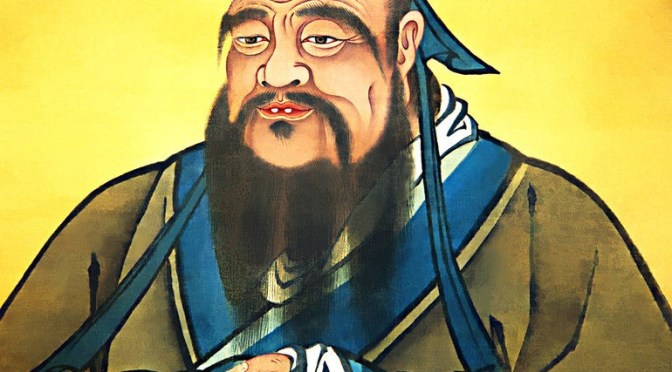
From a cultural perspective, Confucianism (a 2,000-year-old Chinese philosophy) places a strong emphasis on observing the proper relationships as the key to social harmony. The key “Five Relationships” stressed in Confucianism (as well as in Filial Piety, an important concept to the Chinese family) place importance on each citizen in a nation knowing their position in society and understanding the expected behavior inherent to that position. The specific relationships include:

  1. Ruler to Subject,
  2. Father to Son,
  3. Husband to Wife,
  4. Elder Brother to Younger Brother, and
  5. Friend to Friend.

Four out of these five relationships are solely related to family and close friends; it is therefore not surprising that many, if not all, of Chinese guān xì networks are composed of friends and extended family, especially among local businessmen in China’s interior.  From a geographical perspective, the large size of ancient China, coupled with difficult terrain made long distance travel next to impossible  before the arrival of modern transportation.

“Your network of “relationships” is like a bank, “face” is the money, and “giving gifts” is the way in which you conduct your deposits and withdrawals.”

– James Tan, Sales Manager, Manufacturing Industry, China

Chinese culture has also long placed an emphasis on revering, and to a degree, worshiping one’s ancestors. Key to this concept is that in order to properly revere their ancestors, the Chinese found it necessary to regularly pay their respects at the graves of ancestors, or at the ancestral shrine located in the home. These factors led to generations of a single family largely staying in the same area with little migration to other parts of the country. The results of these geographical factors are that many personal and business networks were and continue to be strongest at the town, city or provincial level.

Relationships in China Today

Due to the autocratic nature of Chinese governing systems and methods, there has always been a lack of fair and reliable social and legal institutions within China. Because of this, Chinese people today often feel that they are only really able to truly trust and rely on their closest friends and relatives. For example, as opposed to the relatively fair and impartial courts that exist in Western countries, in China judges can be easily be influenced (or given orders) by high level officials (or influenced by said officials friends).  Thus, when forced to contend with the high-powered guān xì networks of others, in China one of the only defenses is to develop a strong network of one’s own.

Learn More about Guanxi: Yuanfen and Social Relationships

In addition, unlike as in the West, most Chinese business people are not accustomed to “business only” relationships. Rather, they prefer to create a friendly and personal relationship first, and then conduct business afterwards. And aside from cultural preference, there is a strong business reason for doing so. Despite the fact that almost every company will sign a contract at the commencement of a business deal, the actual ability of a company to enforce said contract is many times low, especially for smaller companies. China’s ineffective legal system can take years to successfully resolve cases, and many Chinese firms don’t have the time or money to wait for a favorable resolution. By focusing on developing a strong relationship first, as opposed to a formal and tightly worded contract, local Chinese business people can more easily be assured of a long-term and profitable collaboration.

Advice for Westerners

For the Western businessman new to China, it is useful to remember that your Chinese business partner will likely want to get to know you first before cooperating. This process can take anywhere from a few weeks to a few months, so it is important to allow enough time and not simply expect to arrive in China and sign a contract. And while it might be possible to get around building a relationship in some cases,  engaging in the process with a Chinese business partner will help assure them that both parties can and will share a common ground and understanding.

“Sometimes a person’s personal network is natural, consisting of relatives and old classmates; however creating a relationship with a stranger requires an emotional and financial investment. For example, if I go to the Public security Bureau to apply for a passport, the normal process is 10 days – however if I have a relationship with someone at the Bureau, then I can receive the passport on the second day.”

– Michael Qin, Manager, Energy Technology Industry, China

In order to create successful relationships with the Chinese, it is also important to be able to grasp some additional concepts in Chinese culture. Understanding the Chinese concepts of “Face,” “Giving Gifts,” and “Proper Character”  can not only provide fresh insight into the minds of the Chinese, but can also greatly increase a Western business person’s ability to create strong relationships and communicate effectively . Remember that although many Chinese have knowledge of Western practices and experience dealing with “unenlightened” Westerners, they are still Chinese at heart. Trying to do things their way not only shows respect but also shows your commitment to a long-term relationship in China.

Thanks for reading!

Do you have any more questions on how relationships work in China? Can you share any experiences you have had in China with relationships? Please feel free to post your thoughts in the comments section below.

Follow the China Culture Corner to receive regular updates by email!